44 new australian food labels
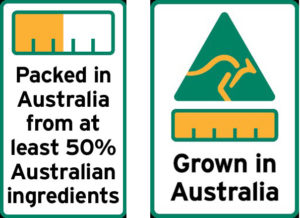
Labelling poster - how to read food labels - Food Standards This interactive resource explains the food labelling requirements set out in the Food Standards Code and what that information means. Click on the numbers to find out more about food labelling. A useful poster is also available. You can download a copy here (PDF 372KB), or for a printed A2 version please email information@foodstandards.gov.au. Australia's new compulsory food labelling laws begin from July 1 Australians will now have a better idea about where their food is grown and made after tough new labelling became law on July 1. The new labels tell buyers what is 100 per cent grown in Australia or made in Australia from Australian ingredients, or if only the processing is done in Australia.
Farmers hope new food labelling laws spur consumers to buy more ... The labels clearly spell out where food is from, and which foods are grown, produced or made in Australia. All priority foods must display new country-of-origin labels. These are staple foods ...

New australian food labels
Australia - Labeling/Marking Requirements The joint Australia New Zealand Food Standards Code requires all packaged food to be labeled with nutritional information on how much fat, protein, energy, carbohydrates, and salt is in the product. Labels must also show the percentage of key ingredients and all the main ingredients that may cause allergies. New Australian Food Labels And How To Read Them There are five new labels in total. The following three are identified with a kangaroo symbol: GROWN IN AUSTRALIA - You're good to go with this option as this label means your food is 100% grown in Australia. PRODUCT OF AUSTRALIA - Think canned or bagged goods where the ingredients are 100% Australian and they've been processed here too. Food Labelling & Allergen Guide - Australian Food and Grocery Council The Food Industry Guide to Allergen Management and Labelling offers guidance in managing allergens. It's relevant to those involved in the supply, handling, production, import and sale of foods. It was first development by the AFGC in 2007 but an updated edition was jointly published by the AFGC and Allergen Bureau in April 2021. New to the ...
New australian food labels. Australian Made Campaign on new food labels - Inside FMCG Inside FMCG. July 23, 2015 < 1 mins read. +. The Australian Made Campaign has welcomed the Government's proposed new country-of-origin labelling system for food, which will for the first time incorporate a bar chart showing what proportion of ingredients come from Australia, and will also include - for those products made and grown in ... Proposed new Australian food labelling laws released following ... A two-month consultation study into food labelling regulations has found food can be 'Made in Australia' without any Australian ingredients. It also concluded consumers find current laws "confusing and irrelevant" and business considered the existing requirements "burdensome". Many consumers are confused by country of origin food labels. Labelling laws | NSW Food Authority * Food labels are legally required to show the name and Australian or New Zealand business address of the manufacturer or supplier (packer or vendor importer) plus the lot and batch number of the food (or date coding) to enable efficient food recalls. Food is recalled when it poses a possible public health and safety risk to consumers. Country of origin food labelling | business.gov.au Labelling requirements under the Information Standard will vary depending on whether the food: is a priority or non-priority food was grown, produced, made or packed in Australia is offered for sale loose or in a package. In Australia, the country of origin information must be accurate and factually correct.
Government releases new Australian food labels - Inside FMCG From July 1, the Australian government is introducing new food labels stating the source of products as well as method of producing or manufacturing and packaging. The labels will also display the percentage of ingredients coming from Australia. For imported foods, the label will clearly show the country of origin. New Food Labelling | Helping Food Service Industry| Alsco The new labelling system will cost a whopping $37 MILLION dollars to introduce. This cost will be borne by the manufacturers and the Australian food buying public (which is all of us). This new initiative has arisen from an incident earlier in the year where 28 people were infected with Hepatitis A after eating imported Chinese frozen berries. New Australian food labels will list local food content but not foreign ... NEW food labels will reveal only the "Australian-ness" of groceries - meaning the consumers who bought contaminated berries earlier this year would not have known they were from China. The Abbott Government yesterday revealed that from next April 1 most groceries will have to include a label to explain the percentage of Australian ingredients. Changes to food labelling laws - The Australian Made Campaign From July 1, 2016, the Australian Government incorporated the Australia Made Campaign Ltd's (AMCL) Australian Made, Australian Grown (AMAG) kangaroo logo into a new country of origin label, which, on July 1, 2018, became mandatory for most Australian food products sold in Australia.
Food Labelling | Foodstream A draft (or current) product label is assessed, and a report is prepared outlining any changes required for the product label to comply with the Food Standards Code of Australia and New Zealand (FSANZ), the Trade Measurement Regulations 2009 and of course the new Australian Country of Origin Food Labelling Information Standard 2016 . Labelling - Food Standards Food labels also help to protect public health and safety by displaying information such as use by dates, ingredients, certain allergens, instructions for storage and preparation, and advisory and warning statements. FSANZ sets standards for what information must be on food labels. FSANZ has developed information on a range of labelling topics. Country of origin food labels | Department of Industry, Science and ... Australian food labels must easily convey where food is grown, produced, made or packed. This helps consumers make informed decisions about the food they buy. Requirements and tools for business If you sell food in retail stores in Australia, you will need to consider if your products need country of origin food labels. Labelling - Food Standards The Food Standards Code includes the general labelling and information requirements (Chapter 1 of the Code) that are relevant to all foods, and sets out which requirements apply in different situations (for example food for retail sale, food for catering purposes, or an intra-company transfer).
New Product of Australia labelling - Food & Drink - Community
Food labels - Better Health Channel Under labelling laws introduced in Australia in 2003, virtually all manufactured foods must carry an NIP. There are exceptions to the labelling requirements, such as: very small packages and foods like herbs, spices, salt, tea and coffee single ingredient foods (such as fresh fruit and vegetables, water and vinegar) food sold at fundraising events
Vintage Ads: Ken-L Ration Dog Food, 1978
Food labelling - Health.vic Food labelling Key messages All packaged foods sold in Australia must comply with the labelling requirements of the Australia New Zealand Food Standards Code, which applies in Victoria through the Food Act 1984. Food labels must carry essential information, so that consumers are informed of the nature and properties of foods before they buy.

Tastebuddies | Food Labelling
Country of origin labelling - Food Standards The Australian Government introduced a country of origin food labelling system under Australian Consumer Law on 1 July 2016. Country of origin labelling requirements for food is in the Country of Origin Food Labelling Information Standard 2016, under the Competition and Consumer Act 2010. These requirements became mandatory on 1 July 2018.
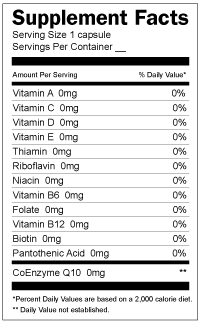
Food Nutrition Facts Label, Food Label Nutritional Analysis
What's New in FoodWorks 10 Nutrition Labelling - Xyris FoodWorks 10 Nutrition Labelling has these new features: Generate Health Star Ratings ( limitations apply) for your recipes. Assign attributes for your recipes (such as vegan) Use the new Australian Food Composition Database (from FSANZ) for reference. Usability improvements.

Food labelling: Government seeks public opinion on six different Australian Made designs - ABC ...
Iconic Australian Food | 17 Australian Foods You Should Try 11. BBQ's. When you think of Australia you think of surfing, nice weather, kangaroo's and the barbecue. "Throw another shrimp on the barbie" is a quote often said even though Australians call them prawns and not shrimps! In fact, many Aussies dislike this phrase and claim that it's just another Australian stereotype.
Food Labelling in New Zealand - The Basics Explained
Food labelling | NSW Food Authority New requirements for labelling the most common allergens in food commenced on 25 February 2021. The changes to the Food Standards Code will help people find allergen information on food labels more quickly and easily, so they can make informed and safe food choices. For more information see Changes to allergen labelling .

New changes to Country of Origin Food Labelling, taking place throughout Australia | SBS Your ...
How to understand food labels | Eat For Health All ingredients in a food product must be listed on the label in order (Food Labels - What do they mean? Food Standards Australia and New Zealand, from largest to smallest by weight. You can use this to spot foods that might be high in saturated fat, added salt or added sugars because these ingredients are listed in the top three.

8 best Unique food products in Australia images on Pinterest | Australian food, Food labels and ...
Australian Food Shop | Buy Tim Tams, Twisties, Milo & Vegemite Online Create a unique impression with ourAussie Corporate Gift Hampers. Our corporate gift hampers are perfect for clients, staff or even congratulations on a successful project. We pack our hampers full of Aussie treats that will create a lasting memory for your recipients. SELECT YOUR CORPORATE HAMPER.

funznfactz: Delicious Sea Foods
FLMS overview fact sheet - Food Standards The only exceptions to this are very small packages, and foods that have minimal nutrition such as single herbs or spices and tea or coffee. The major food allergens, such as eggs, milk, fish, peanuts and other nuts, sesame, soybeans, and cereals containing gluten (eg wheat) and their products must be labelled however small the amount.
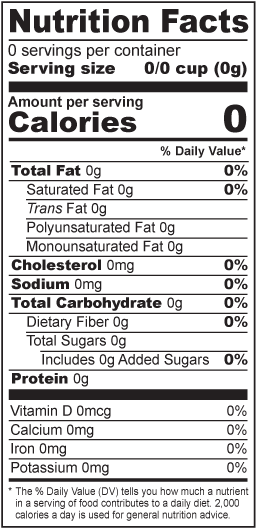
Food Nutrition Facts Label, Food Label Nutritional Analysis
Food Labelling & Allergen Guide - Australian Food and Grocery Council The Food Industry Guide to Allergen Management and Labelling offers guidance in managing allergens. It's relevant to those involved in the supply, handling, production, import and sale of foods. It was first development by the AFGC in 2007 but an updated edition was jointly published by the AFGC and Allergen Bureau in April 2021. New to the ...

Mr Smith Hair Care - The Australian Made Campaign
New Australian Food Labels And How To Read Them There are five new labels in total. The following three are identified with a kangaroo symbol: GROWN IN AUSTRALIA - You're good to go with this option as this label means your food is 100% grown in Australia. PRODUCT OF AUSTRALIA - Think canned or bagged goods where the ingredients are 100% Australian and they've been processed here too.

Excalibur Sheet Metal Cutting Shear - The Australian Made Campaign
Australia - Labeling/Marking Requirements The joint Australia New Zealand Food Standards Code requires all packaged food to be labeled with nutritional information on how much fat, protein, energy, carbohydrates, and salt is in the product. Labels must also show the percentage of key ingredients and all the main ingredients that may cause allergies.

How common etiquette in Australia differs from overseas
31 Australian Food Label Requirements - Best Labels Ideas 2020
Simple guide to Australian food labels | Compare the Market

Food Labelling: Does Buying "Australian Made" Mean Just That? - YouTube

Australian Organic signs agreement with AUS-QUAL - Food & Drink Business
Post a Comment for "44 new australian food labels"